
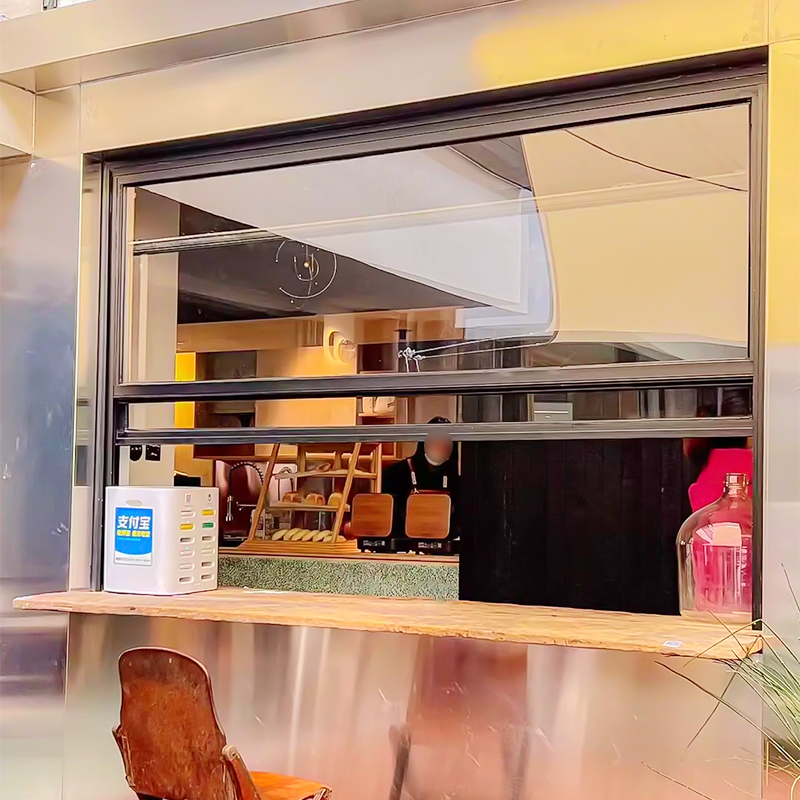


How can material deformation be prevented in electrically folding windows under extreme temperatures?
Release Time : 2025-12-23
Electric folding windows are prone to deformation under extreme temperatures due to material expansion and contraction or creep, affecting smooth operation, sealing, and even structural safety. Preventing deformation requires a comprehensive approach encompassing material selection, structural design, installation techniques, and routine maintenance. Scientific material selection, optimized structure, standardized installation, and regular maintenance can significantly reduce the impact of extreme temperatures on electric folding windows.
Material selection is fundamental to preventing deformation. Different materials exhibit significantly different temperature sensitivities: aluminum alloys are highly corrosion-resistant but may expand slightly under extreme temperatures; PVC is temperature-sensitive, easily becoming brittle at low temperatures and softening at high temperatures; thermally broken aluminum, with its internal insulation strip blocking heat conduction, has a lower coefficient of thermal expansion, making it more suitable for regions with large temperature differences. Furthermore, the temperature resistance of the sealing strip is equally crucial. High-quality EPDM sealing strips maintain elasticity within a temperature range of -30℃ to 70℃, preventing seal failure due to hardening or softening. For example, in frigid northern regions, sealing strips with high low-temperature elasticity retention are necessary, while in hot southern regions, the aging resistance of the sealing strip is crucial.
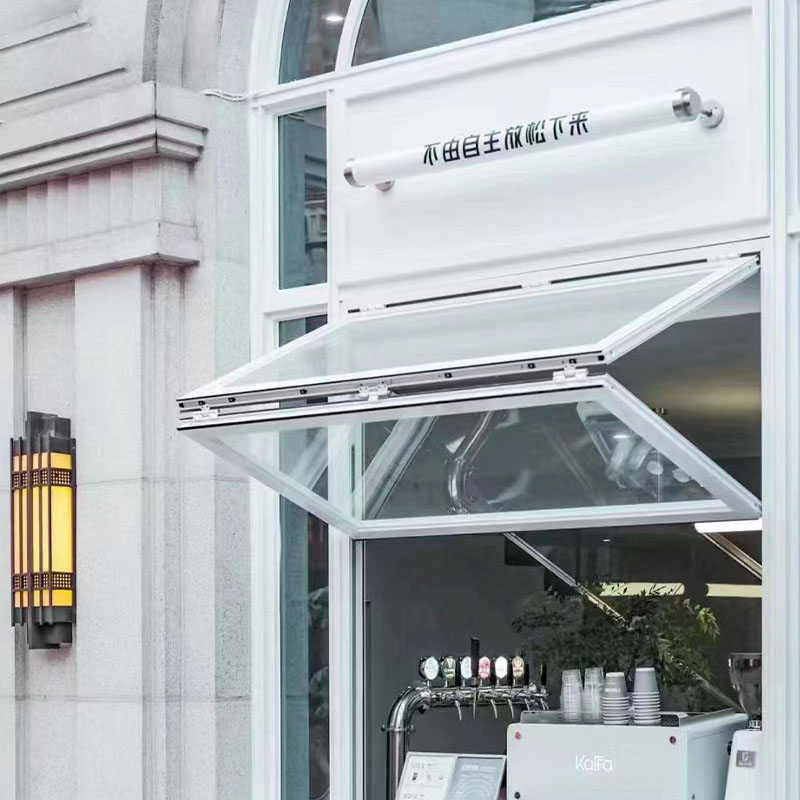
Structural design must balance strength and flexibility. The folding mechanism of electric folding windows includes hinges, slide rails, and connecting rods. If the design is flawed, metal fatigue or plastic embrittlement under extreme temperatures can accelerate deformation. Optimization can be approached from three aspects: first, using high-strength alloy materials, which have higher tensile and yield strength and can withstand greater stress; second, increasing structural redundancy, such as a double-layer slide rail design to distribute stress and avoid stress concentration at single points; and third, introducing elastic compensation mechanisms, such as springs or elastic washers at the hinges, to absorb displacement caused by thermal expansion and contraction through elastic deformation. For example, one brand of electric folding windows features retractable elastic guide wheels at both ends of the slide rails. When the window expands due to high temperatures, the guide wheels automatically retract to prevent jamming; when it contracts due to low temperatures, the guide wheels move forward to maintain a tight fit.
The installation process directly affects the adaptability of the window to the wall. Under extreme temperatures, the wall and window have different rates of thermal expansion and contraction due to different materials. If expansion joints are not provided during installation, the window may deform due to pressure or tension from the wall. Proper installation requires three points: First, leave a 15-20mm expansion joint between the window frame and the wall, filling the gap with expanding foam or elastic sealant to both fill the gap and allow for slight displacement; second, use fixing plates to connect the window frame and the wall, with a spacing of no more than 600mm between the fixing plates, avoiding the joints of the middle horizontal and vertical frames to prevent obstruction of the outer frame's expansion; third, ensure the window is level and plumb during installation to avoid uneven stress caused by tilting. For example, in one project, because the window's level was not adjusted during installation, it tilted downwards due to gravity in low winter temperatures, causing the sliding rails to deform and making opening and closing difficult; after reinstallation, the problem was completely solved.
Routine maintenance is key to extending the lifespan of windows. Extreme temperatures accelerate material aging, while regular maintenance can slow this process: First, clean the window surface to prevent dust and sand from entering the tracks or hinges, increasing friction. Second, check the tightness of hardware; tighten loose screws promptly to prevent the window from wobbling. Third, lubricate moving parts, such as tracks and hinges, by applying high-temperature resistant grease to reduce starting resistance at low temperatures. Fourth, avoid prolonged exposure to sunlight or rain; install sunshades in high temperatures and wipe the window dry promptly during the rainy season to prevent metal corrosion or plastic aging. For example, one user reported that their electric folding windows, due to lack of maintenance, had accumulated dust in the tracks, causing the grease to solidify in low winter temperatures, preventing the windows from opening. After cleaning the tracks and replacing the grease, the windows opened smoothly again.
The impact of extreme temperatures on electric folding windows can be effectively reduced through scientific prevention. From material selection to structural design, from installation processes to daily maintenance, every step must be strictly controlled to ensure that the windows do not soften at high temperatures or become brittle at low temperatures, maintaining stable performance over the long term.